
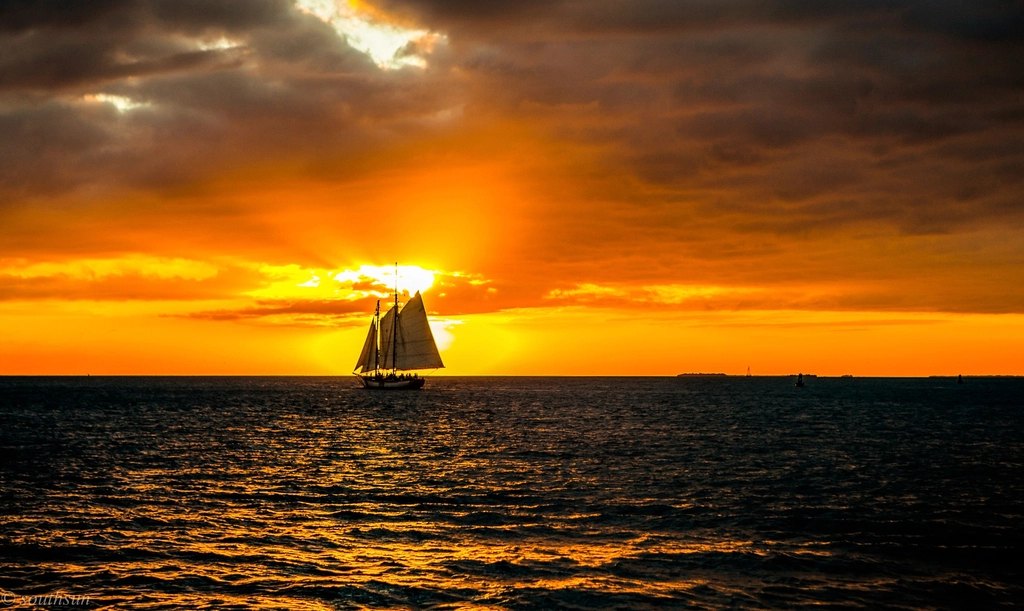
The Calm Before the Storm
It started like any other morning off the coast of Key West—calm seas, pale sunrise, and the hum of anticipation in the air. We were chasing rumors of a massive tuna run spotted just south of the reef line. With rods prepped and lines ready, our crew knew that today wouldn’t be just another fishing trip.
Hooked Into the Frenzy
Just past 9 a.m., the ocean erupted. A dense school of baitfish broke the surface, fleeing for their lives. Seconds later, the first bluefin sliced through the chaos. We dropped our lines into the fray, and within moments, the reel screamed—we had a serious contender on the hook.
The tuna fought hard, diving deep and pulling with relentless force. It took over 40 minutes of careful maneuvering and teamwork before we finally saw its silvery flank glinting beneath the boat. A 170-pound beauty—our biggest tuna of the season.
Pro Tips From the Deck
High-seas tuna action demands more than just luck. Here’s what helped us land the prize:
- Use fluorocarbon leaders – Tuna have sharp vision; the less visible, the better.
- Match the hatch – Observe the baitfish in the area and mimic their size and color.
- Keep your drag smooth – Sudden jerks snap lines. Let the tuna tire itself out.
- Stay alert – Tuna move fast. Spotting birds or boiling water gives you a head start.
A Battle to Remember
That day, we landed three more tunas, each with its own epic fight. One nearly spooled the reel before darting under the boat. Another leapt clean out of the water in a dazzling arc. The ocean was alive, and we were part of something primal and exhilarating.
Fishing isn’t just about the catch—it’s about the story. And this one, with its adrenaline, strategy, and sheer ocean power, will be told around docks and dinner tables for years to come.
The Tuna of the Lower Keys, Fish by Fish
A word of honesty about that 170-pound fish. Bluefin are a rare visitor to the Straits of Florida, showing up in late winter and early spring when the water along the Gulf Stream edge falls into the 68 to 74 F range they tolerate, and a fish that size is a once-in-a-decade event off Key West. The tuna we catch here week in and week out is the blackfin. It runs 10 to 30 pounds, with a 35-pounder a serious trophy, and it holds on the deep humps and the reef edge in 74 to 82 F water all year, with the best months from November through April. Yellowfin show along the deep edge in summer, usually 40 to 100 pounds. The humps south and southwest of Key West are the reliable ground: seamounts where the bottom rises from 700 to 1,000 feet toward 400 feet (roughly 120 to 160 fathoms up to 65 fathoms), pushing current to the surface and stacking bait on the up-current side. We drift the up-current face and look for birds first, terns over blackfin, frigatebirds over the bigger fish.
How We Rig for Them
Blackfin are as leader-shy as any tuna, so we fish 20 to 30 lb spinning or light conventional gear with 40 to 60 lb fluorocarbon leaders and small live pilchards, or small feathers and cedar plugs trolled at 6 to 8 knots. Chumming live pilchards behind the boat on the hump brings the school up, and a kite bait over the slick is the best way to get the biggest fish in the school. For yellowfin we step up to 50 lb stand-up outfits with 60 to 80 lb fluorocarbon, and if a bluefin is a real possibility the 80 lb outfit comes out of the rack, because a fish over 150 pounds on 30 lb line means a fight of two hours or more and a badly exhausted fish. On the release side, a tuna we plan to let go stays in the water while the hook comes out, and a fish we keep is bled at the gills, gutted and put on ice within minutes, since tuna flesh spoils fast in the sun.
The Paperwork and the Weather
Tuna are federally managed highly migratory species, and the boat needs a federal HMS Angling permit before anyone targets them, bluefin or blackfin, in federal waters beyond the state line. Bluefin are the strictest fishery in the country: recreational retention depends on a daily bag that NOAA adjusts through the season, the size categories are measured in inches of curved fork length, and a landed bluefin has to be reported within 24 hours. Blackfin have no federal limit but Florida sets a per-person and per-vessel bag limit, and yellowfin have a federal minimum size of 27 inches curved fork length with a bag of three per person. Those numbers change, so we check before every trip. The run to the humps is 20 to 30 miles from the harbor, and in summer that means a morning departure, a marine forecast of seas 2 to 4 feet or less, a registered EPIRB, a VHF with DSC, and a firm rule that a building afternoon squall line turns the boat around.
Final Thoughts
If you’ve never chased tuna off Key West, you’re missing out on one of the most thrilling experiences in sportfishing. Between the pulse-pounding runs and the ocean’s raw beauty, it’s an adventure that hooks you just as much as the fish.