
The Calm Before the Storm
As the first rays of sunlight pierced the horizon, the ocean was painted in hues of gold and lavender. The sea was unusually still, almost suspiciously so. Every seasoned angler on board felt it in their bones — something big was coming.
We had set out before dawn, armed with sturdy rods, steel leaders, and bait that would tempt even the most elusive predators. The target? Sharks. Not just any sharks, but the mighty fighters that rule the deep with ferocity and grace.
The First Strike
Just as the crew finished prepping the lines, a sudden jolt bent one of the rods into an arc of tension. The reel screamed. Everyone froze for a split second — then sprang into action.
It was a shark, and it was furious. The line danced on the surface as the beast thrashed beneath. The angler at the reel dug in his heels and began the fight, sweat already forming on his brow despite the cool morning breeze.
Technique That Seals the Deal
Fighting sharks requires more than brute strength. Here are a few expert tips that made all the difference during the battle:
- Keep the rod high to absorb the shark’s runs and protect the line from snapping.
- Use the boat’s motion to your advantage — let the drift work in your favor.
- Stay patient; a tired shark is a catchable shark.
It’s a dance of endurance, and only those who remain calm and calculated emerge victorious.
The Final Surge
After nearly 40 minutes of back-and-forth, the shark surfaced, revealing a massive silhouette gliding just below the waves. The crew moved swiftly to secure the line and bring the creature close enough for a safe release.
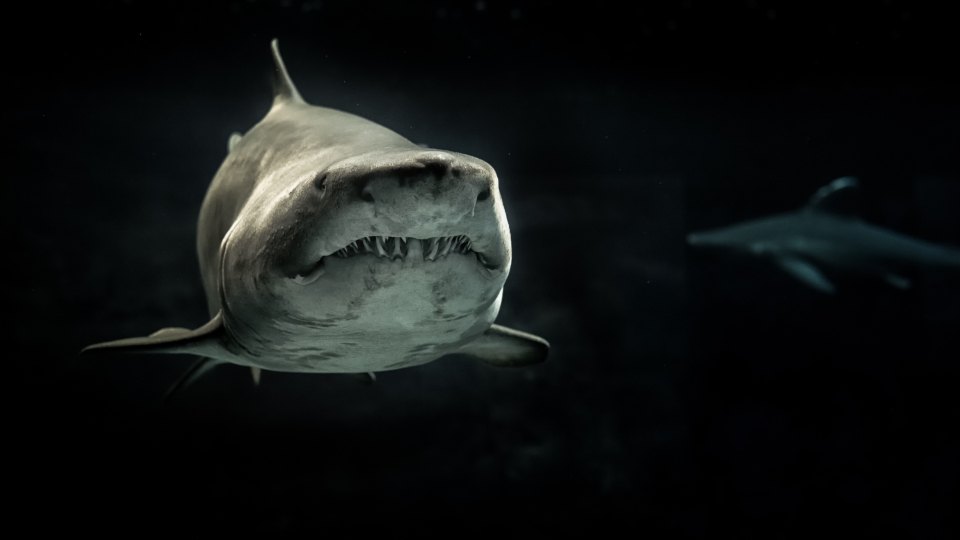
It was a beautiful hammerhead, close to 9 feet long. We admired its powerful build and primal energy before setting it free, watching it disappear effortlessly into the blue abyss.
What the Ocean Taught Us
Each shark battle is more than just a test of skill — it’s a reminder of the raw, untamed spirit of the ocean. These moments don’t just pump adrenaline; they humble you. They make you appreciate the balance between man and nature.
For those looking to elevate their offshore fishing game, remember:
- Respect the ocean — it gives and it takes.
- Know your gear — preparation is half the victory.
- Fish with intention — every cast tells a story.
And sometimes, under the morning light, that story involves an unforgettable battle against one of the sea’s most majestic predators.
What We Know About the Hammerhead
The fish we released was a great hammerhead, the largest of the family, and a 9-footer is a young adult; the species grows past 14 feet and 900 pounds. Great hammerheads move along the Florida reef line in 70 to 82 F water, and their calendar follows the food. From April through June they shadow the tarpon migration through the Keys bridges and channels in 30 to 90 feet, and the rest of the year we find them on the outside edge of the reef in 120 to 250 feet (20 to 40 fathoms). The steel leaders we mentioned are not optional: 400 to 600 lb mono connected to 4 to 6 feet of 275 to 480 lb cable or single-strand wire, kept short enough that the mate can control the fish at the boat.
Great hammerheads build up lactic acid faster than almost any other shark, and a long fight on light tackle can kill a fish that swims away looking healthy. That is why we fish 50 to 80 lb stand-up gear with the drag set at a third of the line’s rating, or an 80 to 130 lb chair outfit on a boat rigged for it, and why 40 minutes is about the longest fight we will accept. Our hooks are 16/0 to 20/0 non-offset circle hooks made of plain steel rather than stainless, so a hook left in a fish rusts out within weeks. Federal rules require non-offset, non-stainless circle hooks for recreational shark fishing with natural bait in Atlantic and Gulf federal waters, and the vessel needs a federal HMS Angling permit to fish for sharks there at all. In Florida state waters the great hammerhead, scalloped hammerhead and smooth hammerhead are on the prohibited list: they cannot be harvested, and a prohibited shark must be released without removing it from the water.
Handling and Release That Give the Shark a Chance
The last five minutes of a shark fight are where fish and people get hurt, so the cockpit works to a routine. The angler stays in the harness and keeps the rod loaded while the mate takes the leader with gloves and never wraps wire around a hand. The shark stays in the water alongside the boat, head toward the bow, with the captain bumping the boat into gear so water moves over the gills. If the hook is visible in the corner of the jaw, a long-handled dehooker frees it; if it is deep, we cut the leader as close to the hook as we safely can and leave the hook to rust. We do not use a gaff, a tail rope or a flying gaff on any shark we intend to release, and we never lift a large shark by the tail, because that bends the spine and can tear organs. Measuring is done with a tape along the side while the fish is in the water, and the photo is taken from the deck.
A short checklist keeps the crew safe trip after trip:
- Leader gloves, long-handled cutters and a dehooker within arm’s reach before the bait goes out.
- One person on the leader, one on the rod, one at the helm; nobody standing in the bight of the line.
- Drag set on a scale before the trip, not by feel during the fight.
Until the Next Tide
We returned to shore with tired arms, full hearts, and vivid memories etched into our minds. The ocean had once again delivered a tale worth telling — a shark battle that will live on in our stories and dreams.