
The moon does not make fish bite. What it does is move water, and moving water rearranges baitfish, current edges and the places where predators feel comfortable feeding. Understanding that chain of cause and effect is far more useful than trusting a star rating on a calendar, and it lets you plan an offshore day with a clear reason behind each choice.
- The strongest, most reliable lunar influence in saltwater comes through the tides, not through moonlight.
- New and full moons bring the largest tidal swings, which tend to create the clearest feeding windows.
- Moon phase works best as one input, alongside tide tables, barometer trend and the light at dawn and dusk.
Why does the moon matter to an offshore angler?
Start with the mechanism, because it tells you where to put your effort. The gravity of the moon drives the tides. Tides move water, and moving water carries plankton, small baitfish and the larger predators that follow them. When you plan around the moon, you are really planning around water movement and what it does to the food chain.
This is also why the effect is easier to defend in saltwater than in a small lake. Offshore, the tidal push shapes current seams, rips and edges, and those features are exactly where pelagic fish tend to hold and feed. Moonlight is a secondary factor. The tide is the lever that matters most.
A fair warning belongs here as well. Research on the subject is mixed. One long study of marlin landings records showed a slight rise in landings just before a full moon and a slight drop just after, yet it found no link to the predictions of solunar tables. Treat the moon as a useful planning signal, not a guarantee.
How do spring and neap tides change fish behavior?
Tides swing most strongly around the new and full moon. These are called spring tides, and they produce higher highs and lower lows. Between them come the weaker neap tides, which move less water and tend to produce a gentler, less defined current.
What spring tides do
A bigger swing pushes more water across structure and floods new areas where predators can hunt. On the way out, lower water concentrates baitfish into smaller channels and tighter pockets. Both phases of the tide can create predictable feeding opportunities, which is why many anglers favor the days around a new or full moon.
What neap tides offer
Weaker tidal flow does not mean a dead bite. It means the signal is subtler, so the other variables carry more weight: the light, the water temperature break, and whether you are fishing a defined edge. On neap days, lean on your electronics and your temperature chart rather than expecting the tide alone to organize the fish.
Offshore, you are usually not watching water rise on a beach. You are watching how current strength and direction shift through the day, and how that shift lines up with a temperature break or a weed line. A strong flow against a defined edge is the kind of setup that rewards patience.
What are solunar windows, and how far should you trust them?
Solunar tools combine moon phase, moonrise, moonset and sun position to produce major and minor feeding periods. The major periods surround the moon’s overhead and underfoot transits, and the minor periods surround moonrise and moonset. Many tools also add a daily rating on a scale from poor to excellent.
Window length varies by source. One common description puts major periods at about two hours and minor periods at about one hour. Another angler-oriented guide suggests fishing roughly 90 minutes around each of the four lunar periods, meaning 45 minutes before and 45 minutes after. The exact width matters less than the idea: these are short stretches inside a longer day, not an all-day promise.
The best use of a solunar window is as a tiebreaker. If you already have a good tide, a promising temperature edge and decent light, a window that overlaps with sunrise or sunset adds weight to the plan. Moonrise or moonset that lands close to sunrise or sunset is often described as especially strong, which fits the broader pattern that low-light periods favor predators.
Keep your skepticism calibrated, too. Tests of solunar predictions have not produced consistent proof, and the same marlin records that hinted at a pre-full-moon bump did not line up with the solunar forecasts. Use the windows to organize your day, not to cancel a trip or to stay on a barren stretch of water.
How do you combine moon phase, tide tables and sea surface temperature?
The three tools answer three different questions. Moon phase tells you how strong the tidal movement is likely to be. The tide table tells you when the water is moving and when it slackens. The sea surface temperature chart tells you where along the coast or offshore the water changes character, which is where baitfish and pelagics often gather.
- Identify the phase. Note whether you are near a new or full moon, where tidal swings are largest, or closer to a quarter moon, where they are gentler.
- Mark the tide changes. Find the times when the tide turns and when the current is running hardest. Current that is actually moving usually organizes the bite better than slack water.
- Overlay temperature. Look for a visible edge or a pocket of cleaner, warmer water within running distance. Plan to arrive at that edge during a period of good flow.
- Add the light. Where possible, line up your arrival with dawn or dusk, since predators tend to hunt more aggressively in low light.
- Check the barometer. A falling barometer is widely described as favorable, while a rising one after a front often slows things down.
The departure time is the output of that stack. Work backward from the moment the tide, the light and the temperature edge are most likely to coincide, then subtract your run time. Keep a margin for the unexpected, and check the marine forecast before committing.
How do you adjust trolling patterns across a lunar month?
Rather than memorizing a rule for each day of the cycle, think in two broad modes and adjust within them.
Around new and full moon
Expect stronger current and more pronounced edges. Concentrate your trolling along those edges and seams, and cross them at an angle so the spread passes through the transition more than once. When flow is strong, baitfish are more likely to be pushed into tighter groups, so keep an eye on your sonar for marks and birds before you commit to a long pass.
Around the quarter moons
With gentler tidal movement, the fish are less likely to be stacked on a single obvious feature. Cover more water, rely on your temperature chart and weed lines, and let your electronics show you where the life is. Patience and coverage matter more than precision on these days.
Across a lunar month, the discipline is the same: read the water first and let the moon explain why it looks the way it does. Regional captains work from this logic, adapting to local current and bait patterns rather than from a fixed script, so use the principle and then fit it to your own waters.
Keep a log. Record the date, moon phase, tide, water temperature, time of day and what happened. Over a few seasons, your own notes will tell you more about how your local waters respond to the lunar cycle than any general guide can.
What else should you weigh alongside the moon?
Because the lunar signal is modest and sometimes hard to isolate, the other variables often decide the day. Light is the clearest of them. Dawn and dusk are favored across nearly every season, because predators tend to see better in low light than their prey and use it to ambush. Cloud cover can extend that advantage into the day, while bright, high-pressure, calm conditions after a front tend to be the hardest.
Wind matters as well. Moderate wind can oxygenate the water and push bait toward one side of a feature, but strong wind erodes safety and makes fishing impractical. Read the forecast before the lunar chart, not after it.
The practical lesson is about ranking. Safety and weather come first. Then comes the tide and current, then temperature and bait, then light, and finally the moon’s calendar rating. When all of them agree, you have a strong day. When only the moon agrees, you have a hunch, and it is wise to treat it that way.
Frequently asked questions
Do moon phases really affect saltwater fishing?
The most credible link runs through the tides, since the moon’s gravity drives them and tides shape where baitfish and predators concentrate. Studies of direct catch correlations have been mixed, so treat the moon as a planning aid rather than a certainty.
Which moon phase is best for offshore fishing?
Many anglers favor the days around the new and full moon because they bring the largest tidal swings. That said, a good tide, a clear temperature edge and low-light timing can matter as much as the phase itself.
How long is a solunar feeding window?
It depends on the tool you use. Major periods are often described as about two hours and minor periods as about one hour, while some anglers fish roughly 90 minutes around each lunar period. Think of them as short stretches within a longer day.
Should I skip a trip if the solunar rating is poor?
Not on that basis alone. Solunar ratings have not been reliably confirmed by testing, so weather, tide, temperature and light should carry more weight in your decision.
Related reading
- Seasickness, Sun and Safety: Preparing for a Long Day Offshore
- Moon and Fishing Calendar: What Lunar Phases Can and Cannot Tell You
Sources
- Best Fishing Weather and Times: Barometer, Moon Phases … (farmersalmanac.com, accessed 2026-11-09)
- Fishing The Solar-Lunar Calendar (captainexperiences.com, accessed 2026-11-09)
- Fishing Calendar Canada 2026–2027: Best Fishing Days, Free (fishingworldguide.com, accessed 2026-11-09)
- How does the moon effect fishing (fishbrain.com, accessed 2026-11-09)
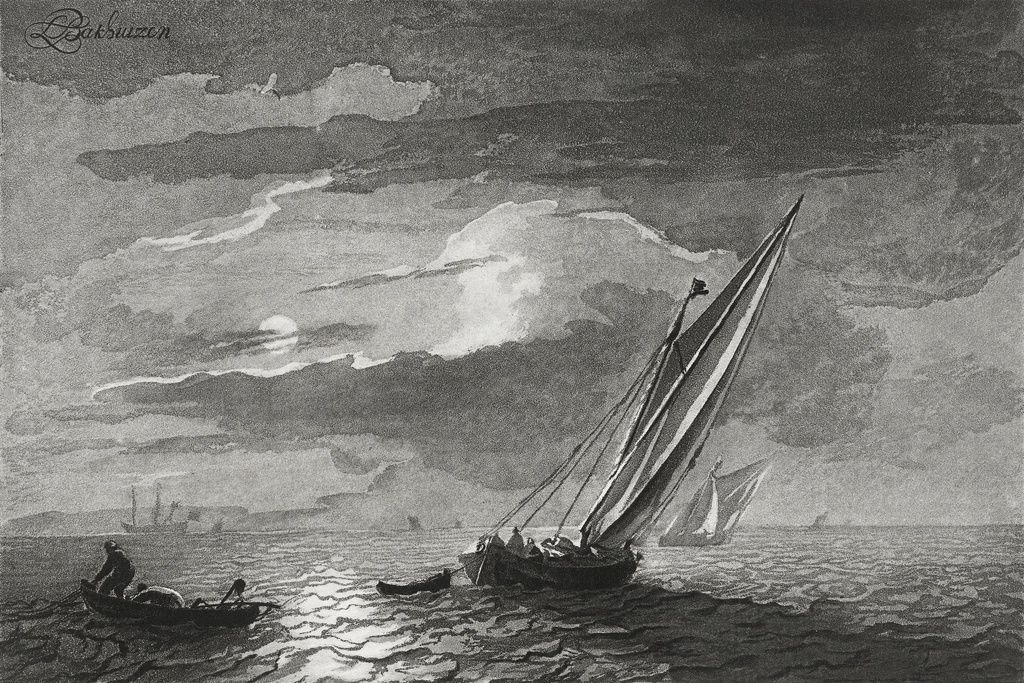
Photo: Seascape full moon (ca. 1779–1781), by rijksmuseum, CC0 1.0 (Rawpixel, via Openverse)