
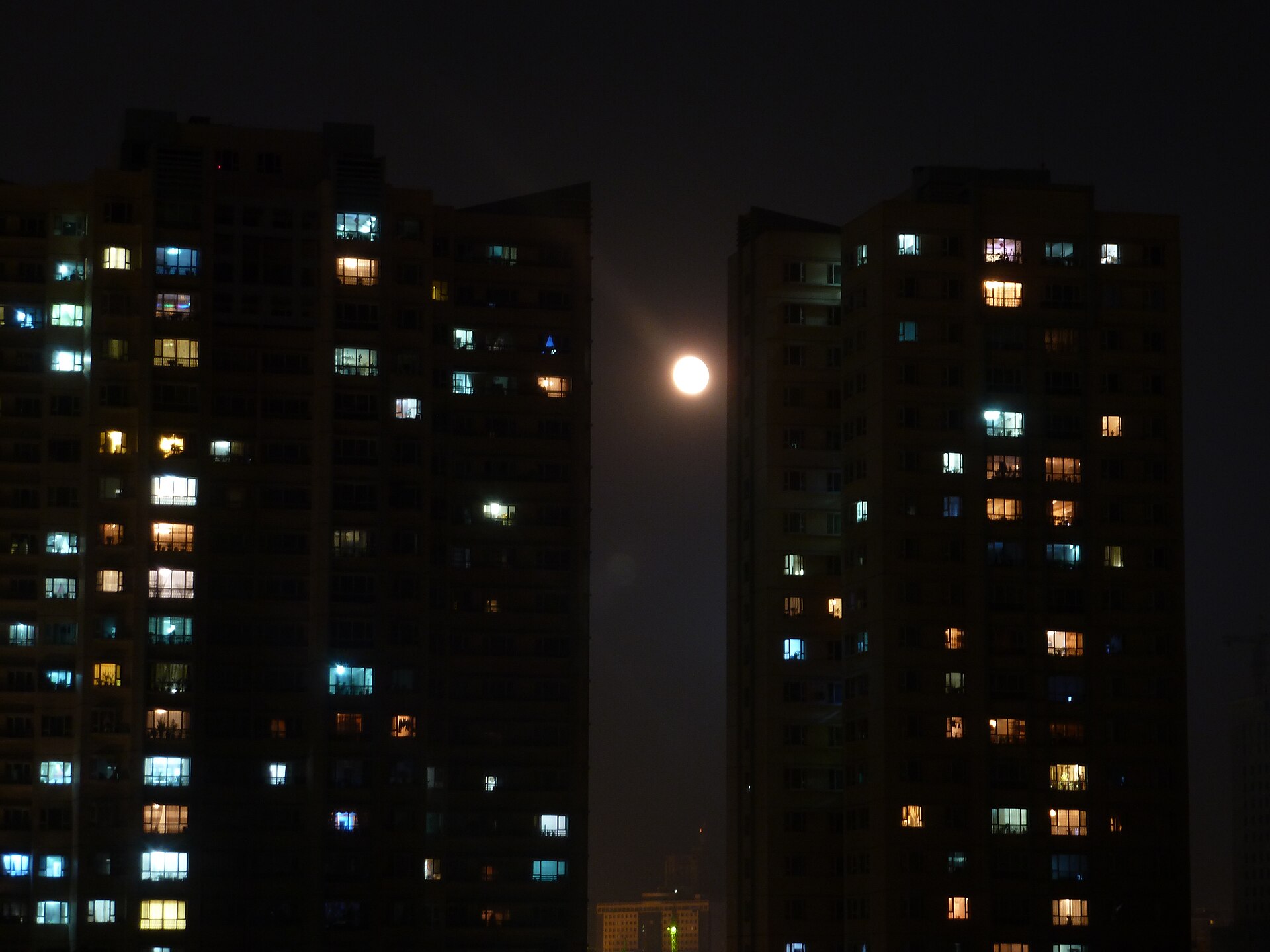
A moon and fishing calendar promises to tell you which days the fish will feed. It can help you plan, but only if you understand what it measures and what it ignores. This guide explains the reasoning behind lunar timing first, then shows how to fold it into an ordinary pre-trip routine.
- New and full moons are the phases most often linked to strong feeding windows, while quarter moons are weaker secondary periods.
- A lunar calendar is one input among several, and bad weather outweighs a favorable phase.
- The most practical use is to treat the moon as a tiebreaker when choosing between otherwise similar days.
Why would the moon have anything to do with a bite?
The argument starts with water movement. Moving water is what concentrates small prey, and concentrated prey is what draws predators into a feeding pattern. The moon does not switch fish on directly. It changes the conditions that make feeding easier.
One calendar source describes the pull as affecting water movement, baitfish activity and predator feeding windows, and notes that this holds in freshwater lakes as well as coastal water. That wording is worth keeping in mind, because it frames the moon as a background influence rather than a trigger.
This is also why the claim stays modest. Fish respond to current, light, temperature, food and pressure all at once. The moon is one of several forces acting on the same animals on the same day, and on many days it will not be the dominant one.
Where did solunar tables come from?
Anglers have kept track of the moon for as long as they have fished, and many cultures built whole calendars around it. The Maramataka, the lunar calendar of the Māori people, is traditionally used to guide cycles of food gathering, including fishing, eeling and planting. It divides the month into 30 days, each tied to its own moon phase, running from the new moon through the full moon to the full waning.
The modern solunar approach is more recent. A calendar source credits John Alden Knight with working out the basics of solunar theory in 1926, and anglers have been tracking it ever since.
Both traditions share the same limit. They are long records of what people noticed, organized into a system. That is valuable as a planning habit, but it is not the same as controlled testing, and it is fair to treat the claims as observation rather than proof.
Which moon phases matter most?
The common rule is simple: new and full moons carry the strongest feeding windows. At a new moon, the moon and sun sit on the same side of Earth, so their pulls combine. At a full moon, the moon sits on the opposite side and produces an equally strong pull from a different direction. Both are treated as major solunar peaks.
Quarter moons are the secondary periods. The moon’s pull works at right angles to the sun instead of in line with it, so the effect is less pronounced. It is still worth noting when you are choosing between days, but it should not carry the same weight in your planning.
- New moon: moon and sun aligned, strongest combined pull, major period.
- Full moon: moon opposite the sun, equally strong pull, major period.
- Quarter moons: pull at right angles to the sun, weaker and secondary.
One calendar source puts the honest version plainly: the strongest windows come around new and full moons, but not on every trip and not like clockwork. Treat the phase as a tendency, not a guarantee.
How do you read a solunar calendar?
Most calendars rank days by how close they sit to a new or full moon and mark them as excellent, good or average. Start there. The ranking tells you where you are in the cycle, which is useful before you commit a day off or book a boat.
Then look at what the score is actually made of. Some tools state openly that moon phase is only a small share of the final rating, and that the share rises when the weather is already good and falls when conditions are bad. One calendar gives its moon weighting as a modest percentage of the total score and points out that a perfect new moon during a thunderstorm still scores low.
That design choice is the right way to think about it. The phase sets the potential. Weather decides whether you can use it.
- Read the overall ranking to see where the day sits in the lunar cycle.
- Check how much of the score comes from the moon and how much from weather.
- Prefer a tool that lowers its rating when conditions are poor.
How do you layer lunar data with tides and water temperature?
The moon is most useful when it is the first filter rather than the last. Because it drives tidal movement, it points you toward days when current is likely to be strongest, and the tide chart then tells you when that moving water arrives at your spot. Use the calendar to choose the day and the tide chart to choose the hours.
Next, check sea-surface temperature. Offshore species like mahi-mahi, yellowfin tuna and sailfish follow bait, and bait follows temperature breaks and clean water. A strong lunar day over cold, featureless water is worth less than an average day over a visible edge. Your electronics and a recent temperature chart will show you which situation you are in.
Finally, run the marine forecast. Wind, swell and barometric pressure all affect both safety and fish behavior, and they can cancel out a favorable phase entirely.
- Pick candidate days using the lunar calendar.
- Use the tide chart to find the moving-water hours on those days.
- Look for temperature breaks and clean water near your target area.
- Confirm the marine forecast before you commit.
What does the evidence really support?
Be clear about the line between mechanism and promise. The mechanism is reasonable: the moon influences tides, tides move bait, and predators respond to bait. The promise, that a given phase will reliably produce a better bite, is much harder to establish, and the sources used here describe the effect as a consistent tendency rather than a rule. They do not offer controlled studies for specific offshore species.
For that reason, this guide makes no claims about how mahi-mahi, yellowfin tuna or sailfish individually respond to lunar phases. What can be said is general: these fish are bait-driven, so anything that changes where bait sits and how it moves can change where you find them.
The practical conclusion is a sensible one. Use the lunar calendar to shortlist days, keep a log of your own results against the phase, and let your own record, not the calendar, decide how much weight the moon deserves in your routine.
Frequently asked questions
Do new moons and full moons really produce the best fishing?
They are the phases most often linked to the strongest feeding windows, because the moon’s pull is at its most pronounced then. It is a tendency rather than a certainty, so expect it to help some days and not others.
Is moon phase more important than weather?
No. Weather can override even a favorable phase, and good calendars lower their ratings when conditions are poor. Treat the moon as a secondary factor that refines your choice between workable days.
Does the moon matter for freshwater fishing too?
The same pull is said to act on freshwater lakes as well as coastal water, so the calendar is applied in both settings. The effect on moving tidal water offshore is easier to explain than in a lake, so keep your expectations modest.
What is the best way to test whether lunar timing works for you?
Keep a simple log of each trip with the moon phase, conditions and results. After a season or two, you will see whether your own catches line up with the calendar.
Related reading
- Trolling mahi mahi tips for speed, color and weed lines
- Knots and Leaders for Saltwater: The Six Connections You Need
Sources
- Moon Phase Fishing Calendar for October 2026 | BitePredict (bitepredict.com, accessed 2026-11-02)
- Maramataka — Wikipédia (en.wikipedia.org, accessed 2026-11-02)
Photo: Full Moon (8064059714), by Caitriana Nicholson from 北京 ~ Beijing, 中国 ~ China, CC BY-SA 2.0 (Wikimedia Commons)
